
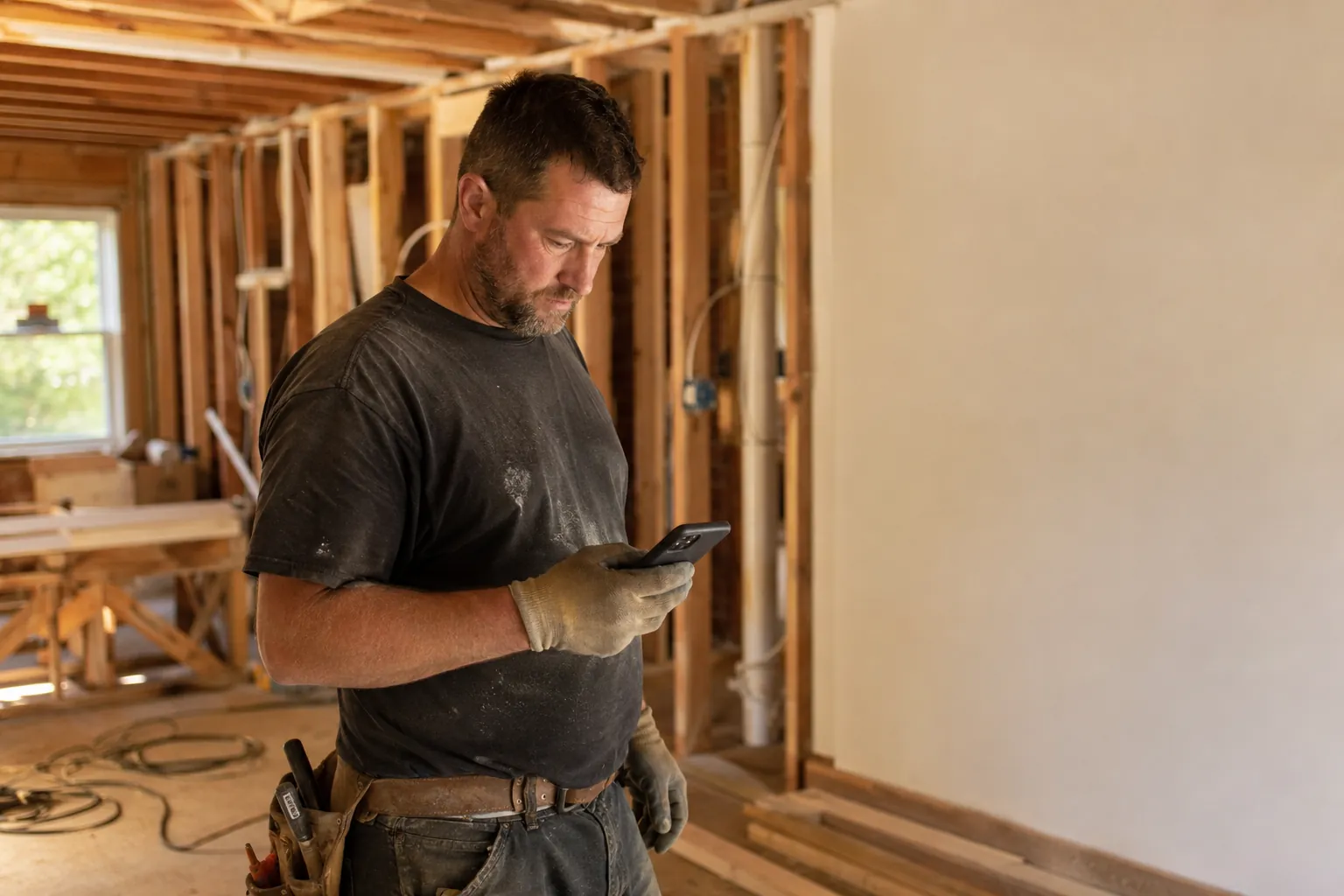
You pick up, still half under the sink. The voice on the other end skips hello. "Yeah, what do you charge to redo a bathroom?" No address, no timeline, no idea if the tile is coming up or just the vanity. Just the number, right now.
A caller may want to know whether the work fits their budget before setting a visit. A few questions can help you decide what information is missing and whether you can share a range.
A California handyman interviewed by Handyman Startup recommends clarifying the work before giving a price. That is his approach, not a rule for every buyer. A caller may be checking fit, planning a budget, or comparing options. Ask what they need before deciding how to proceed.
Why callers ask about price first
People may ask about price to check their budget, compare options, or learn what a job includes. You do not know which from the first question alone.
Explain what affects the estimate: the work area, materials, access, finish, and any repair needed before the main job. If you can give a range based on what they share, say what it covers. If not, explain what you need to see first.
Price is one part of choosing a contractor. Homeowners may also ask about licenses, references, schedule, and the work included. Answer the question they asked, then gather enough detail to give an accurate next step.
Choose an estimate method that fits the job
Some work can be estimated from a clear description, photos, or measurements. Other work needs a site visit. Tell the caller which details you need and when you can provide a firm quote.
If a firm price depends on an in-person check, say what you need to inspect before you can quote. If the caller has shared enough detail for a range, explain what the range covers and what could change it.
Choose the estimate method that fits the job. A range can help when the scope is clear. For work that needs inspection, explain why you need a visit before giving a firm price.
Say what the estimate includes
Before you share a range, note what work it includes, what assumptions it uses, and which details could change the price. For a firm quote, tell the caller what you need to see or measure first.
What to ask before you say yes to a visit
You do not need a long form. Ask for the details that help you plan an estimate or decide whether a visit is needed. These answers clarify the request; they do not tell you whether the caller is serious.
- What is the actual job? "Redo a bathroom" could be a quick vanity swap or a full gut to the studs. Get the real scope.
- Where is it? Check whether the address is in your service area before offering a visit.
- When do they need it? Note the target date and whether your schedule can fit it.
- What have they already checked or measured? This helps you decide whether a range is useful or a visit is needed.
Use the answers to choose a next step: share a range, ask for a photo or measurement, or offer a site visit. A caller's price question alone does not tell you whether the job will close.
Three ways to answer a price request
When a caller asks about price, choose the next step from the details you have.
- Give a rough range, then steer to a visit. For a common job you can bracket, a range is fine, as long as it ends at the visit. Something like: “Most bathrooms in that shape land in a range, but I price it exactly on site. Want me to come take a look Thursday?”
- Offer a visit before a firm quote. If the job needs an in-person check, try: “I need to see the work before I can give a firm price. I can visit, review the details, and tell you the next step.”
- Decline or redirect. If the work is outside your service area or the services you provide, say so clearly and, if useful, suggest another place to ask.
Explain what you know, what you still need, and what the caller can expect next. A price question alone does not determine whether a visit or estimate is right.
The catch: you cannot ask any of this from a crawl space
You may be busy with a job when a call comes in. Decide when you can safely review missed calls and what information to record before returning them.
If a call goes to voicemail, you may not know the job scope or timing yet. Keep the caller's details in a callback list so you can ask the same questions when you return the call. See the one-owner guide and the missed-call guide.
Keep intake notes while you work
SvarKlar can collect intake details on calls and messages. A caller it misses gets a text back within seconds.
Before setup, agree on the questions to ask, how replies are sent, what needs your review, and whether booking is included. The written order records those tasks. A price question should not be treated as proof that a caller is or is not a good fit.
If you are comparing lead sources, see the paid-lead cost worksheet. For a response-time target, see the reply-time guide.
Next time a caller asks "how much," ask what the job includes, where it is, and when they need it. Give a range when you have enough detail, or explain what you need to see before a firm quote.
Want help collecting the details you need before an estimate or site visit? Book a call or see how the service works.
More guides like this are collected in our general contractor resources and across the AI receptionist guide.