
 Collision / auto body guides
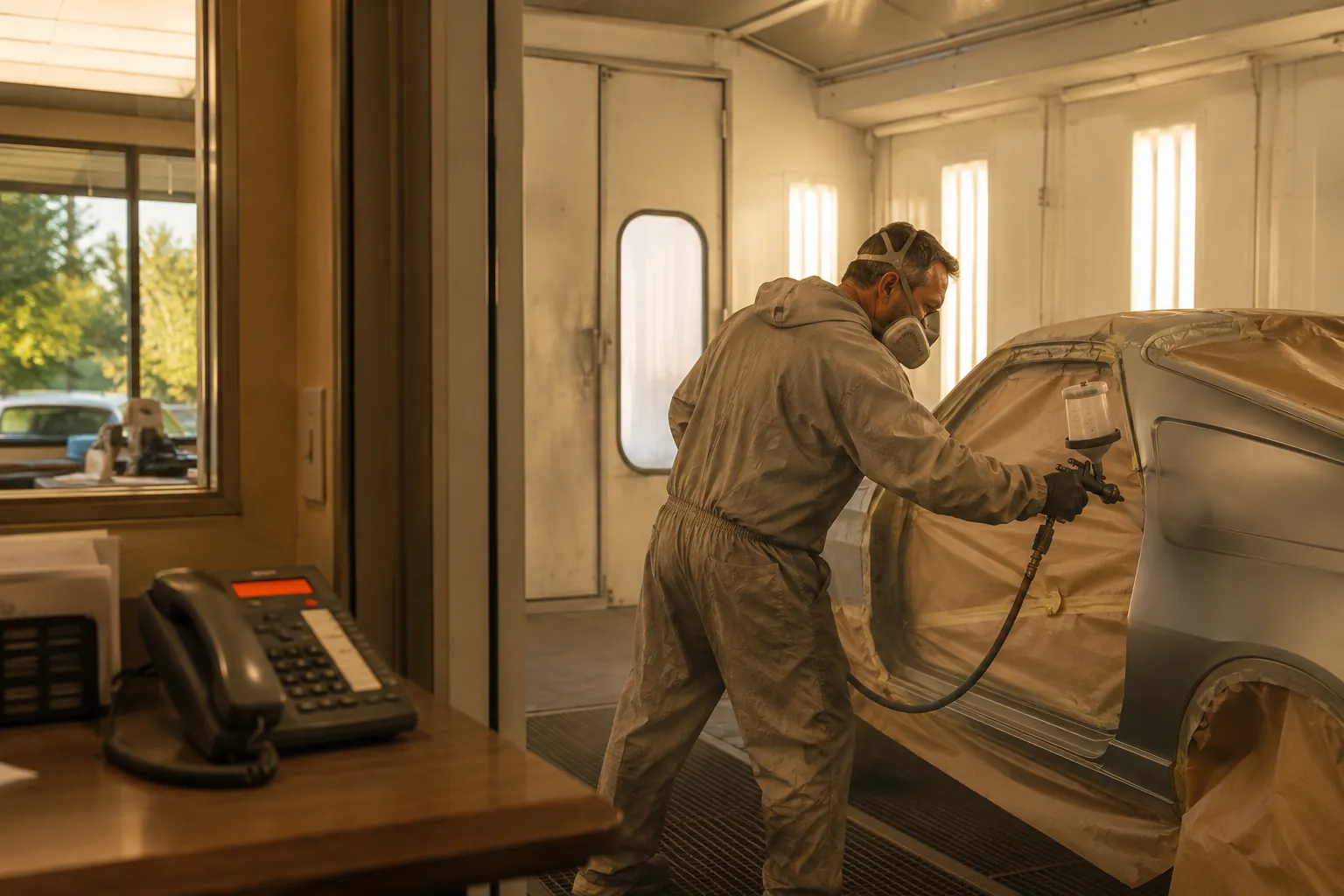
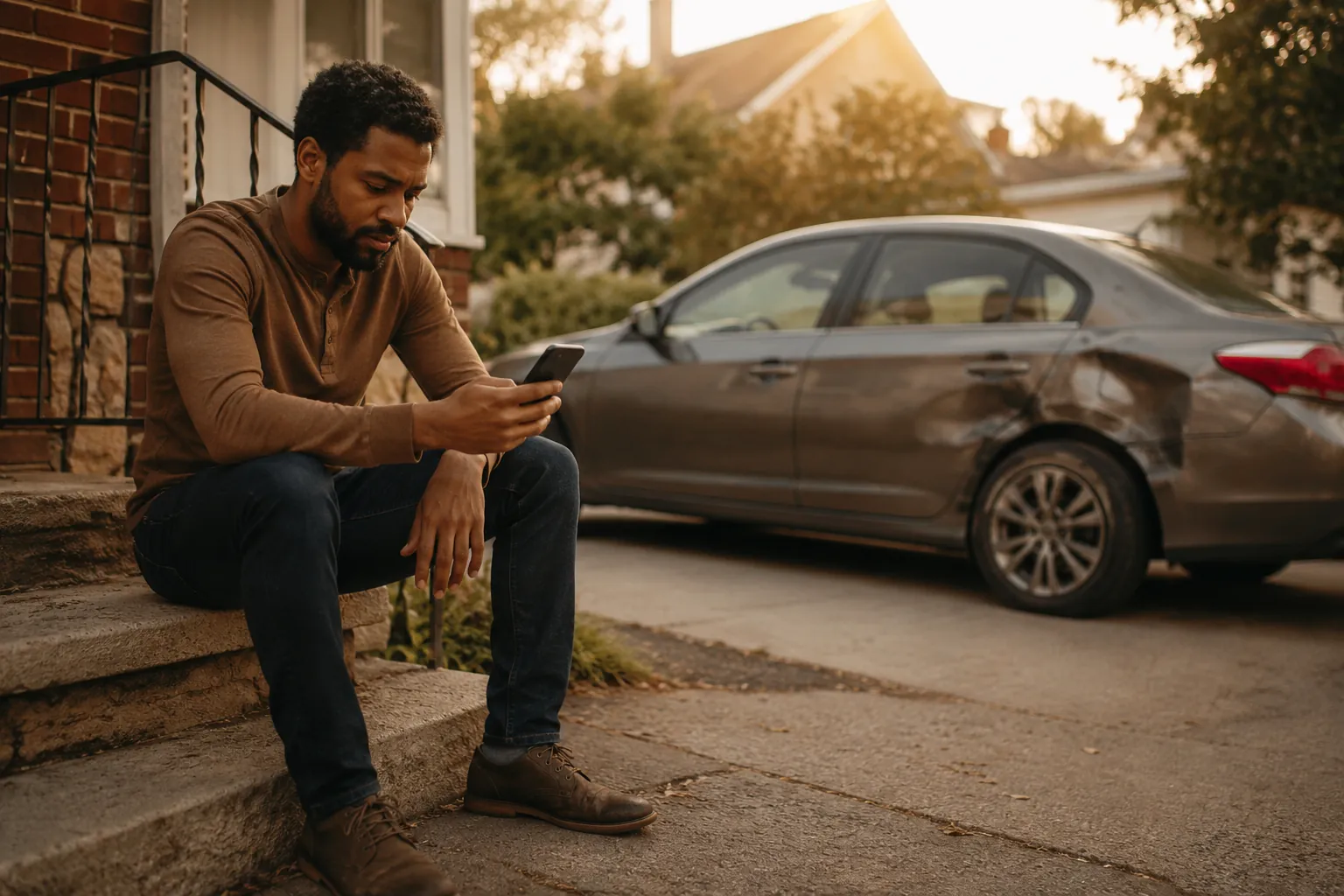
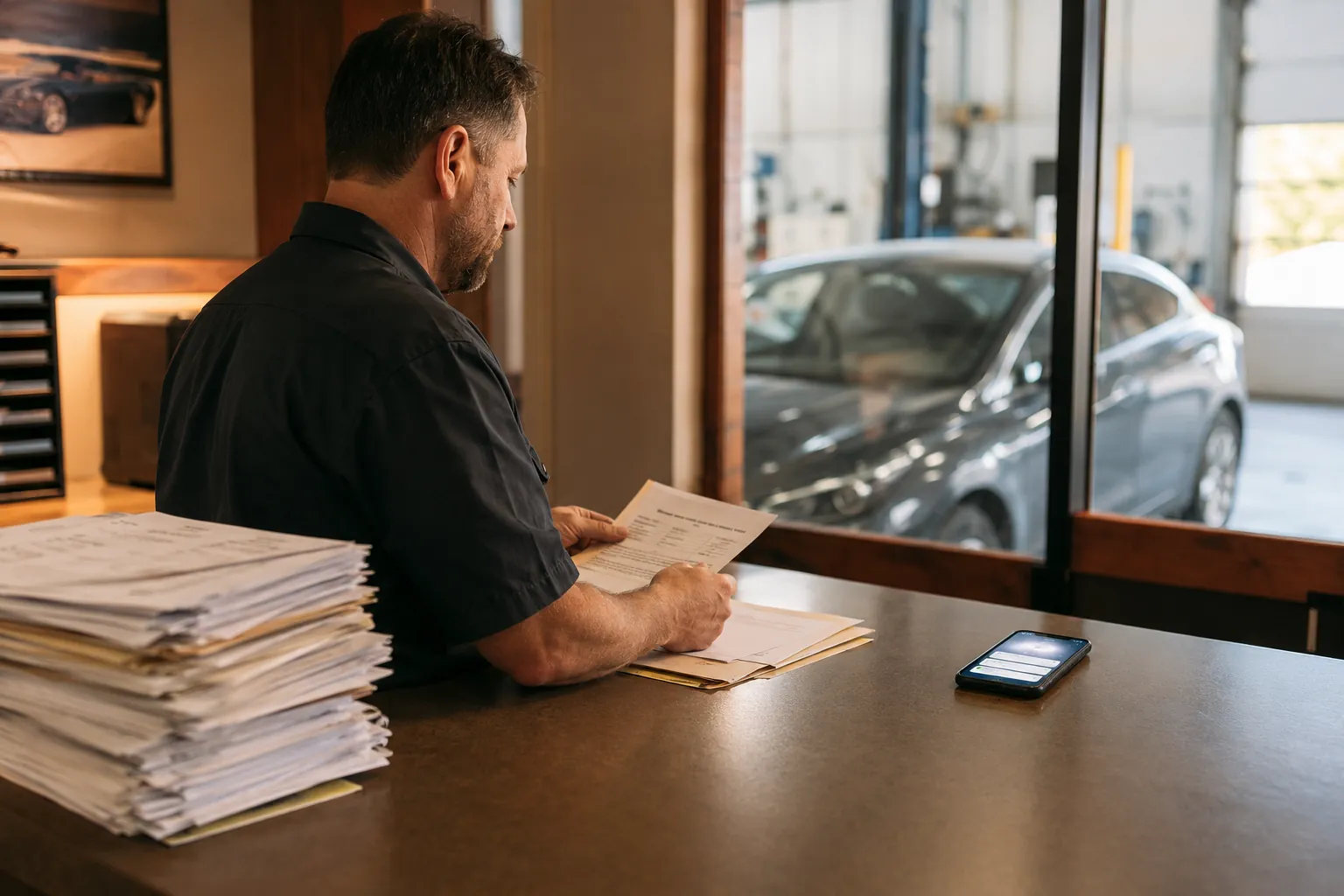
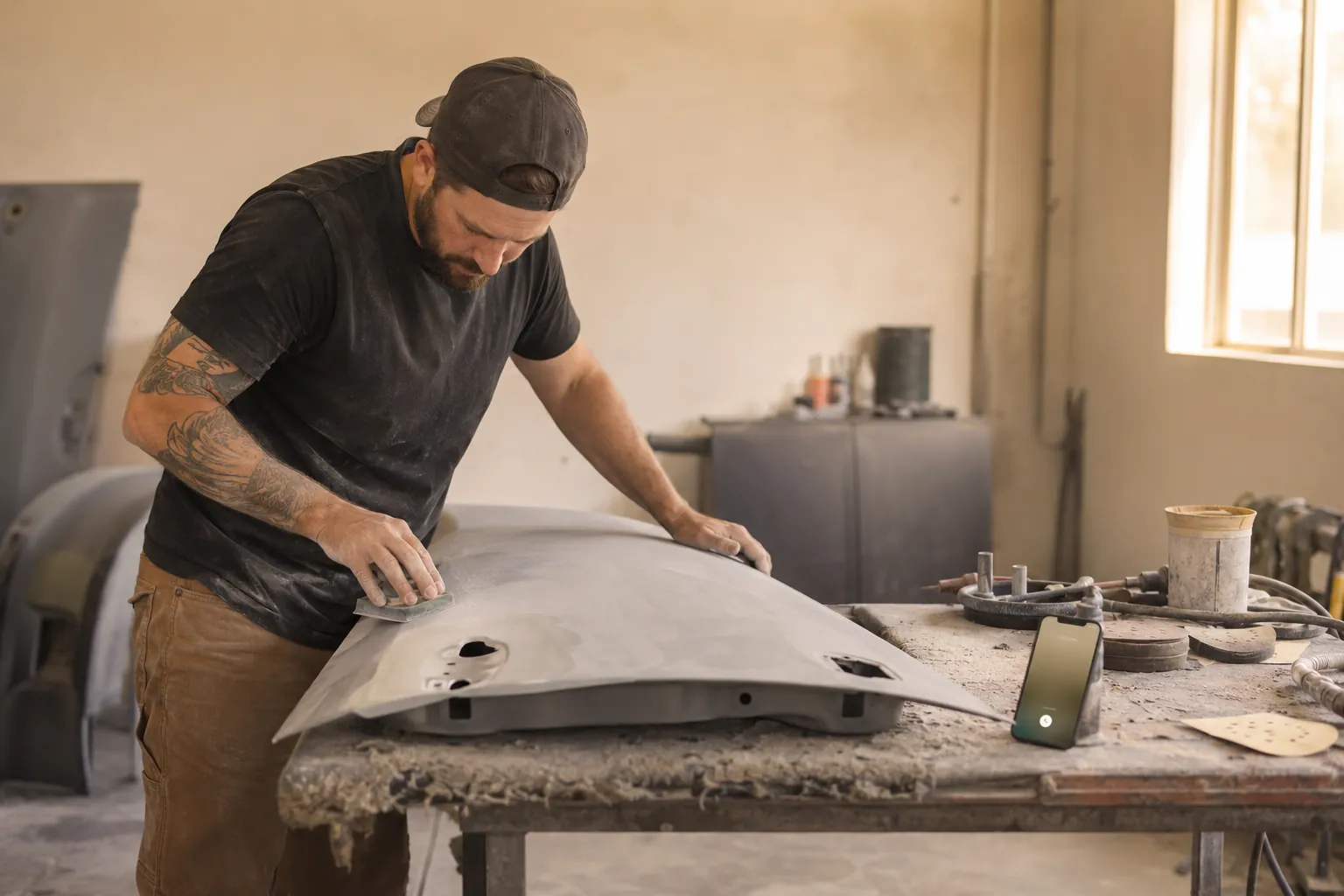
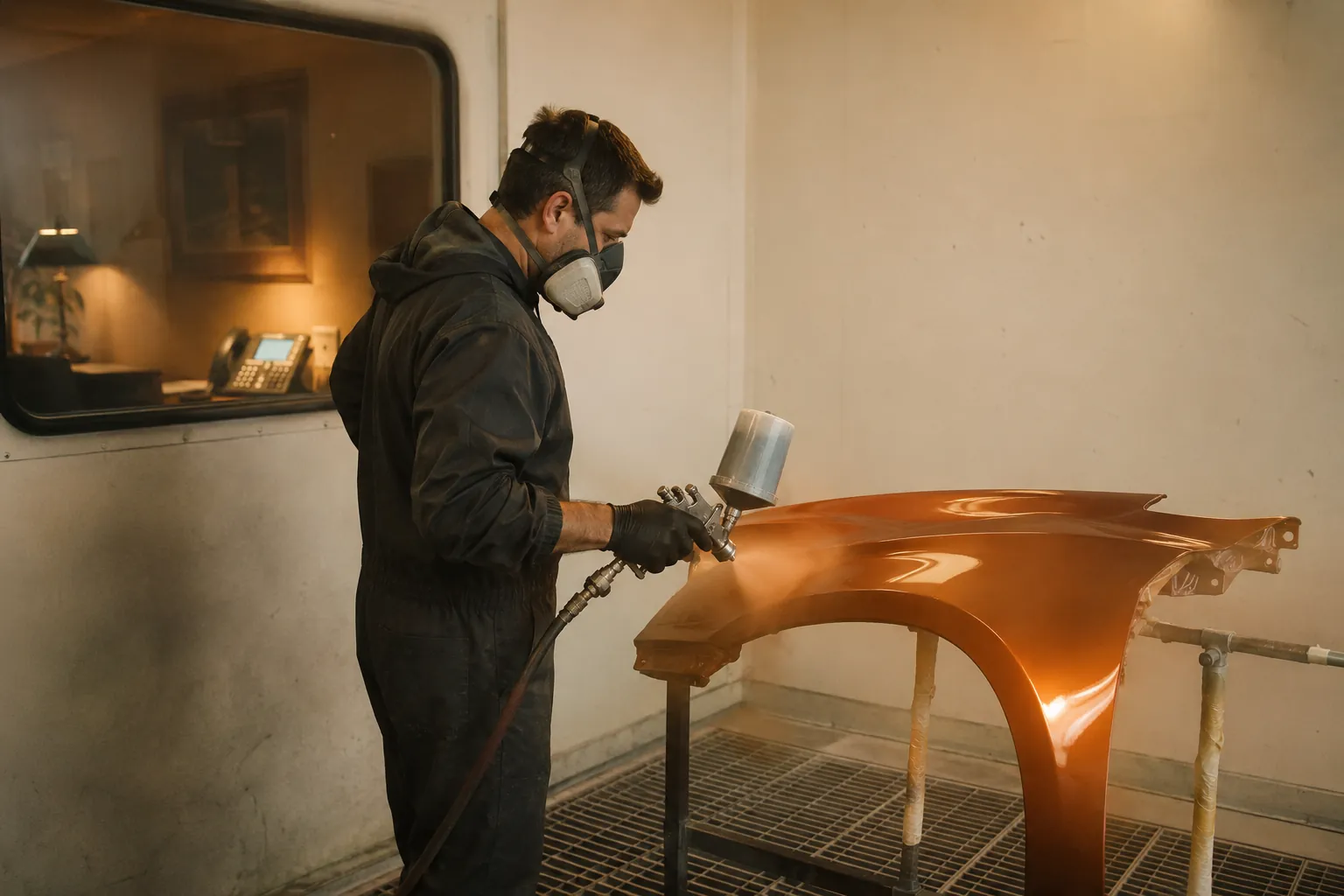
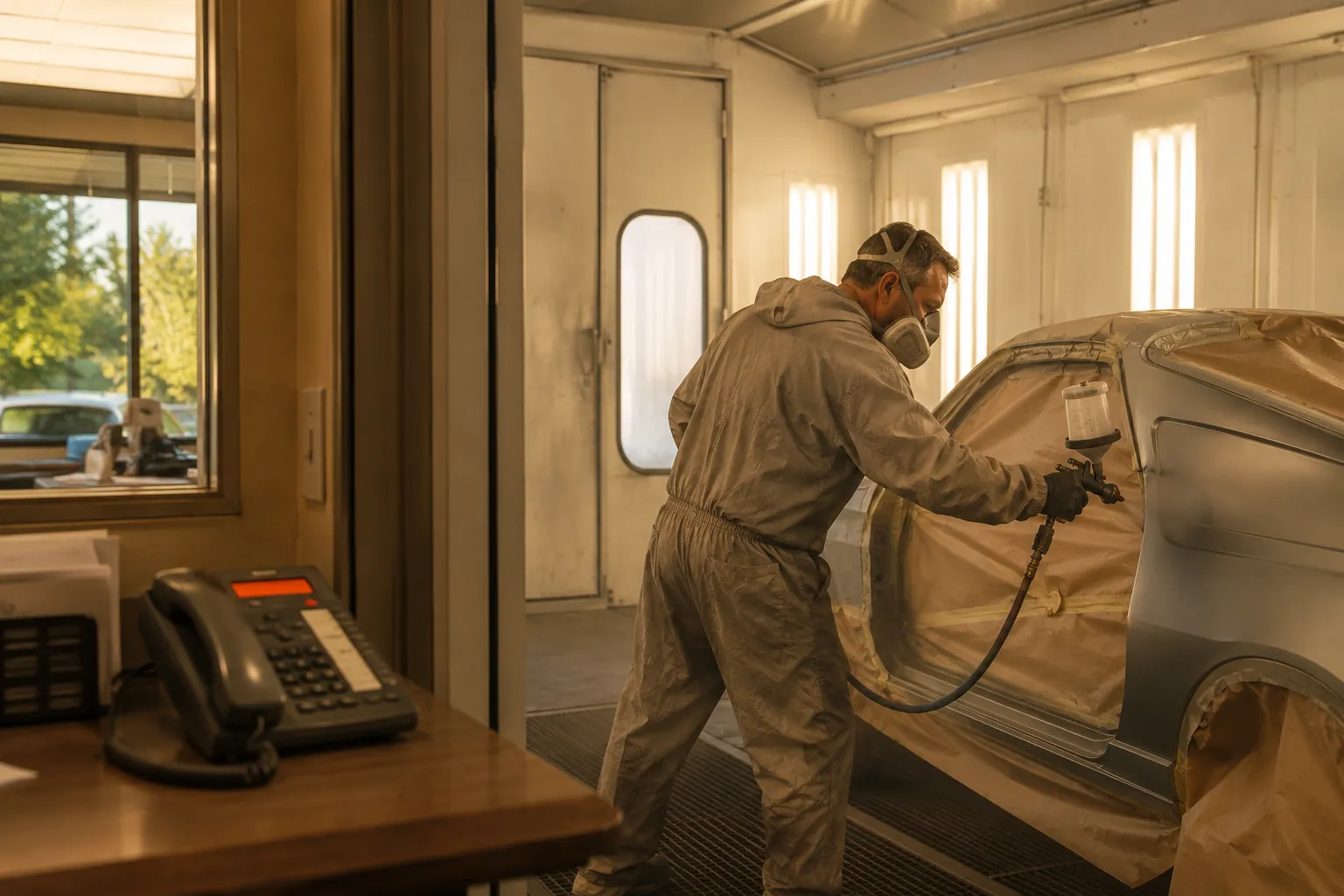
You are in the booth in a respirator, a panel half sprayed. Up front the phone rings, and a wet coat will not wait, so it rings out. By the time the panel has dried, that driver has left the car with another body shop.
Each guide above picks apart one way this goes wrong. Begin with whichever hurts most right now. For the wider picture, see what an AI receptionist actually does or how SvarKlar works.
Does this sound like your body shop?
Count how many of these match your week:
- Calls go unanswered because you are in the booth or deep in a fender.
- A driver wants a number and a next step, and you are not free to give either.
- A car you wanted went to whichever shop picked up first.
- Referrals feed most of your work, so each dropped call costs you twice.
- A full-time front desk does not pay for itself, yet the phone never stops.
Plugging this leak does not take a new hire. It takes a quick reply to every lead, sent whether or not you can reach the phone. Frederik builds your shop's setup himself and runs it. You skip the onboarding maze, and no contract holds you in.
What an auto body answering service costs, and which kind fits a body shop
Checked in October 2026: Ruby's live receptionists begin at $250 a month with 50 minutes, and the top plan is $1,725 a month with 500 minutes (Ruby pricing; how Ruby compares). Smith.ai's AI receptionist costs nothing up to 25 calls, and $150 a month covers 75 calls (Smith.ai AI pricing; how Smith.ai compares). SvarKlar is $295 a month. Setup free. Cancel any time.
Which kind fits a body shop? Pay for a live answering service when you want a human voice on each estimate call and your phone is quiet enough that billing by the minute stays cheap. Pick an AI that answers and texts back when the real trouble is the call that dies while you are in the booth. It replies within seconds, asks what was hit plus the year, make and model, and helps line up an estimate visit, though the shop confirms the slot. Voicemail is the cheapest line on the monthly bill and the costliest per job, since a driver with a wrecked car simply tries another shop. Most owner-run body shops do well to start with the AI, then add a live service only if some call truly needs a person's voice.
Questions
Can it answer a driver who asks whether you work with their insurance?
It asks whether the repair is insurance or cash and which insurer, and passes the answer to you. Whether you take that insurer is your call.
Will it promise a pickup date for a car in the booth?
It does not know how far along a car is. A pickup question reaches you with the car and the customer's name, and you give the date.
After a hailstorm the messages stack up. Can it keep up?
Every one of them gets a reply in seconds, with the same questions: what got hit, and the year, make and model. The estimate visits it sets are slots you allowed.
Whoever took that job from you probably did not out-repair you. They had someone free to pick up, and you were under a car. That gap is the one SvarKlar closes. You stay on the panel while it texts the caller back, collects what was hit and the year, make and model, then books the estimate or passes you the tough one ready to close.
Wondering what it does with the calls and messages your shop gets? You can book a call or read how the service works.
The remaining guides sit in SvarKlar Resources.